
When it comes to making your property look its best, pressure washing is a powerful tool. It can erase months or even years of dirt and grime, restoring surfaces to their former glory. But did you know that the temperature of the water plays a major role in the effectiveness of the cleaning? The choice between hot and cold water isn’t just a minor detail; it’s a critical factor that determines the outcome of the job.
As a locally owned and operated cleaning service with over 15 years of experience in Birmingham, AL, and now proudly serving Tuscaloosa, we at Superior Cleaning Service want to help you understand the difference. Knowing when to use hot versus cold water ensures you get a superior clean without risking damage to your property. Discover the science and practical applications of both methods.
Understanding the Basics: It’s All About the Task
The core difference between hot and cold water pressure washing lies in how they interact with different types of grime. Think of it like washing greasy dishes in your sink. Cold water might push some food particles away, but hot water actively breaks down the grease, making it much easier to clean. The same principle applies to exterior surfaces.
What Is Cold Water Pressure Washing?
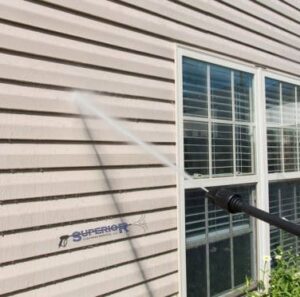
Cold water pressure washing is the most common method used for general cleaning tasks. It relies on the high pressure of the water stream to blast away dirt, mud, mildew, and other common contaminants from surfaces.
Cold water is the go-to choice for:
- Removing loose dirt and grime from durable surfaces.
- Washing away pollen, cobwebs, and light stains.
- Cleaning mold and algae growth, often with the help of a cleaning solution.
- Prepping surfaces for painting or staining.
This method is highly effective for most residential cleaning needs, from driveways to siding. It’s a fantastic way to refresh your home’s exterior and boost its curb appeal.
When Does Hot Water Make a Difference?
Hot water pressure washing, sometimes called power washing, introduces a heating element that raises the water temperature significantly, often up to 200°F. This heat acts as a powerful cleaning agent, allowing it to tackle tough, greasy, and oily messes that cold water simply can’t handle.
Hot water excels at cleaning:
- Oil and grease stains on driveways, garage floors, and commercial lots.
- Gum and wax residue on sidewalks and entryways.
- Tough grime and buildup in restaurant kitchens or dumpster pads.
- Heavy equipment and commercial vehicles.
The heat emulsifies these sticky substances, breaking them down so the pressure can easily wash them away. For many commercial applications and stubborn residential stains, hot water is not just better; it’s essential.
Hot vs. Cold Water: A Direct Comparison
To make the choice clearer, let’s compare these two surface cleaning techniques side-by-side. As a company committed to providing quality service at a reasonable price, we believe an informed customer is a happy customer.
| Feature | Hot Water Pressure Washing | Cold Water Power Washing |
| Best Use Case | Oil, grease, gum, wax, tough grime | General dirt, mold, mildew, loose debris |
| Efficiency | Highly efficient for stubborn stains, often reducing cleaning time | Effective for standard cleaning, may require more time on tough spots |
| Surface Compatibility | Ideal for concrete, metal, and other durable surfaces | Safe for a wider range of materials, including wood, vinyl, and stucco |
| Cost | Typically more expensive due to specialized equipment and fuel for heating | More affordable and suitable for most residential cleaning budgets |
Choosing the Right Method for Your Surface
The type of surface you are cleaning is just as important as the type of dirt you are removing. Using the wrong temperature can lead to ineffective cleaning or, worse, permanent damage.
Surfaces That Benefit from Cold Water

- Wood Decks and Fences: Hot water can cause wood to swell, warp, or splinter. Cold water is the safer and more effective option.
- Vinyl Siding: High heat can melt or deform vinyl. Cold water pressure washing effectively removes algae, dirt, and pollen without damage.
- Painted Surfaces: Unless you are intentionally stripping paint, stick with cold water to avoid peeling and chipping.
- Asphalt Shingles: Roof cleaning requires a gentle approach. Cold water at a lower pressure (soft washing) is the industry standard to prevent granule loss.
For most homeowners in areas like Pelham, Alabaster, and Hoover, our standard pressure washing services using cold water and professional-grade detergents are perfect for keeping your home looking pristine.
Surfaces That Demand Hot Water
- Concrete Driveways and Walkways: Concrete is porous and can absorb oil and grease. Hot water pressure washing is the only way to lift these stains effectively.
- Restaurant Kitchens and Dumpster Pads: Health codes often require sanitized surfaces. Hot water not only cleans but also sanitizes, killing bacteria in grease traps and on floors.
- Gas Stations and Parking Garages: These areas see constant vehicle traffic, leading to heavy oil and fluid buildup. Hot water is necessary to maintain a clean and safe environment.
- Heavy Machinery: To properly clean and degrease construction or farm equipment, hot water is a must.
Our commercial cleaning solutions are designed to handle these tough jobs, helping businesses from Birmingham to Trussville maintain a professional appearance.
Why Professional Service Matters
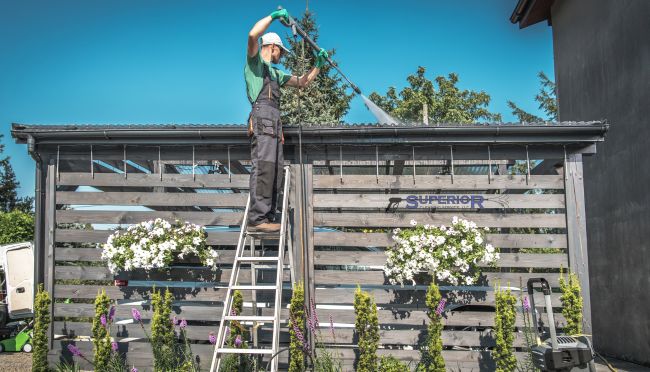
While it might seem straightforward, pressure washing involves more than just pointing a wand and spraying. A professional team like Superior Cleaning Service brings expertise, the right equipment, and a commitment to safety. As owners, we are personally on-site to ensure every job is done right, from start to finish.
We offer a range of pressure washing and sealant solutions to provide the best, most long-lasting results. After a thorough cleaning, applying a sealant can protect your surfaces from future stains and make subsequent cleanings even easier.
Frequently Asked Questions (FAQ)
Can hot water pressure washing damage my concrete driveway?
When performed by a trained professional, hot water pressure washing is perfectly safe for concrete. The risk of damage comes from using excessively high pressure or improper technique, not from the heat itself. We adjust the pressure and temperature to suit the condition of your concrete.
Is hot water pressure washing more expensive?
Yes, hot water services generally have a higher cost. The equipment is more complex and requires fuel to heat the water. However, for grease and oil, the extra cost is justified by its unmatched effectiveness, often saving time and delivering results that cold water cannot achieve.
Can I just rent a pressure washer and do it myself?
You can, but it comes with risks. Consumer-grade machines lack the power and features of professional equipment. There’s also a significant risk of damaging your property or injuring yourself if you’re not experienced. For a job done safely and efficiently, we always recommend hiring a professional.
How often should I have my house pressure washed?
For most homes in Alabama, we recommend a professional house wash once every 1-2 years to remove accumulated dirt, pollen, and mildew. High-traffic commercial properties may require more frequent service.
Ready to see the difference a professional clean can make? Whether you have a home in Vestavia Hills or a business in Mountain Brook, we’re here to help. Request a quote today and let us make your property the envy of the neighborhood